
Correctional RN Jobs
Every Patient Deserves Care.
Behind the walls, compassion still counts. Correctional RNs deliver steady, skilled care to patients in secure environments.



What Does a Correctional RN Do?
Strong Hearts. VyTal Care.
Correctional RNs manage complex health needs shaped by medical, behavioral, and social factors. You’ll treat conditions often tied to chronic illness, trauma, and substance use while practicing within a secure facility. In partnership with physicians and correctional staff, you’ll deliver consistent care, education, and advocacy in an environment built on structure and accountability.
What You’ll Do:
Types of Correctional RN Opportunities
Find Your Fit in Correctional Nursing.
A full-time correctional RN is the backbone of every facility. You’ll work alongside a team of nurses, physicians, and officers to deliver ongoing care for a set patient population. These roles come with consistent schedules, benefits, and the chance to build real trust with patients who rely on you day after day.
Correctional facilities run 24/7, so predictability matters. You’ll have structure, teamwork, and the satisfaction of seeing progress in the same patients over time—something few nurses get to experience.

If you’re mission-driven and thrive in high impact environments, travel correctional RN jobs give you flexibility without losing purpose. You’ll take on short-term contracts across the country, often filling critical needs in high-demand facilities.
These positions come with competitive pay and the kind of experience that sharpens both your clinical skills and your adaptability. On one assignment, you might be in a rural state prison; the next, a large federal facility.
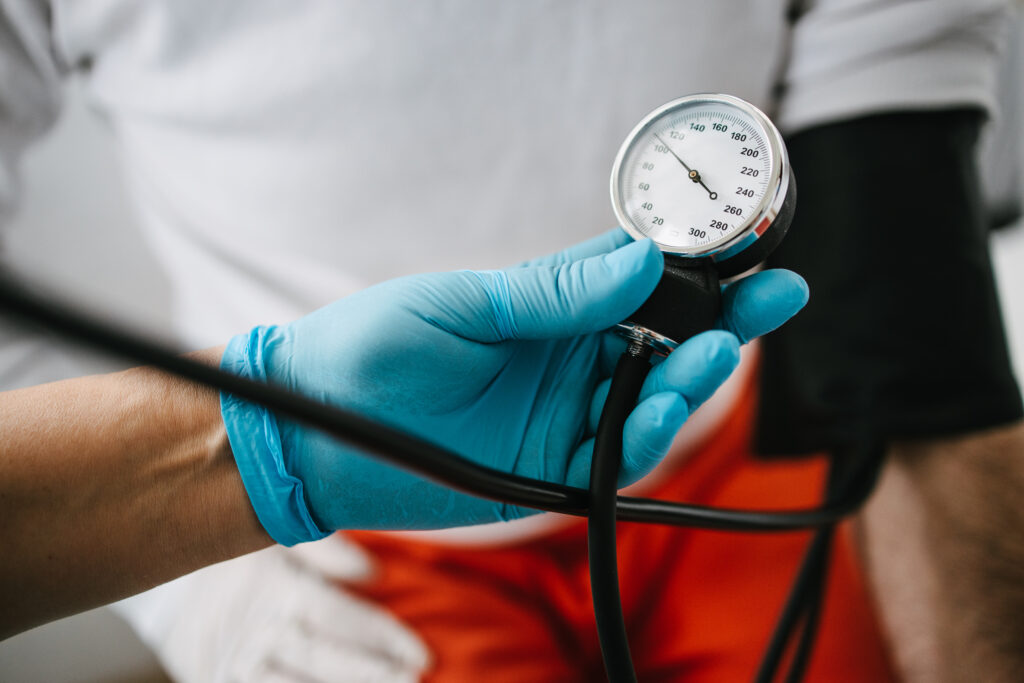
Working as an RN in federal or state correctional facilities means joining a system designed to deliver consistent, regulated care across large patient populations. Positions may include placements within federal agencies or state-run departments of correctional health.
You’ll provide a mix of routine, preventive, and emergency care, often in collaboration with multidisciplinary teams. These roles offer long-term stability, strong benefits, and the chance to serve at the intersection of public health and justice.
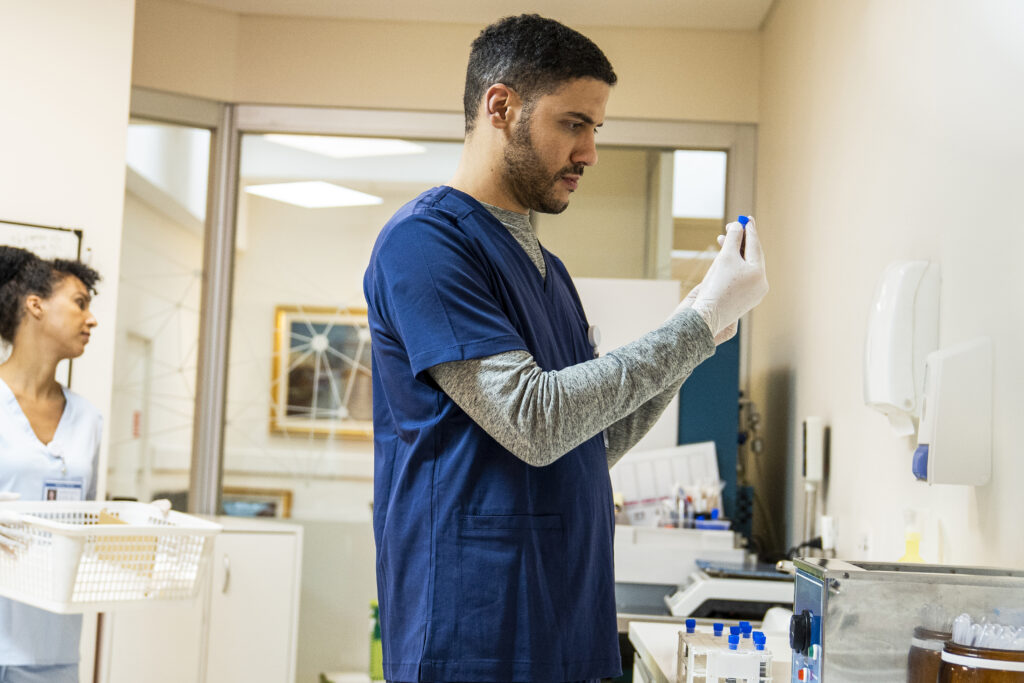
Correctional RNs who focus on behavioral and mental health provide care for patients facing emotional, psychological, and substance-related challenges. You’ll support stabilization, guide medication management, and be part of moments that help patients regain a sense of control.
It’s challenging work, but it’s also some of the most meaningful in nursing.


Why Work as a Correctional RN?
Care That Challenges and Changes You.
Correctional RNs do more than care for patients—they redefine what compassion looks like in the toughest settings.
What You’ll Find:
Where Correctional RNs Work
VyTal Care Happens Everywhere.
Correctional nurses meet patients where few others can. Wherever you’re assigned, you bring the same steady hands, sound judgment, and quiet empathy that define VyTal care.
Where You’ll Make a Difference: